
Science with Passion

Application No.: VPH0063
Version 1 04/2017
Quantitative determination of gallic acid and tannic acid from gallnut extract
Juliane Böttcher, Kate Monks; applications@knauer.net
KNAUER Wissenschaftliche Geräte GmbH, Hegauer Weg 38, 14163 Berlin
Summary
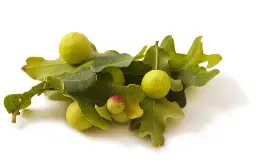
Quercus infectoria gallae (oak gall) contain tannins which are characterized to have curative and anti-inflammatory properties. Because of their antiviral and antibacterial qualities, tannins from gallnut extracts have been used in traditional and ayurvedic medicine as well as beauty culture. A newly developed gallnut extract was prepared in a glycerin-water-mixture. To examine the quality of this extract a reliable, innovative HPLC method was worked out to determine the containing active ingredients.
Introduction
Tannins or tanning agents are natural occurring phenolic plant compounds highly abundant in bark, roots, and leaves. Their main operation area is to support the healing process of inflammations, abscesses, incinerations, wounds [4], atopic skin [6], as well as quinsy [1, 5]. The effect of tannins is antibacterial, antiviral [2], antifungal [3] anti-inflammatory, astringent and toxin neutralizing. Tanning agents are divided into three groups: gallotannins, algae tanning agents and catechol tanning agents. Gallic acid, also known as 3,4,5-trihydroxybenzoic acid, is a component of the gallotannins and found highly concentrated in gallnuts and oak bark. Tannic acid is a specific commercial form of tannin. The chemical formula for tannic acid is often given as C76H52O46, which corresponds with decagalloyl glucose, but in fact it is a mixture of polygalloyl glucoses or polygalloyl quinic acid esters with a varying number of galloyl moieties per molecule. The following application shows how to determine and quantify gallic acid and tannic acid from gallnut extract with an HPLC method. Since tannic acid was defined as a mixture its determination was carried out as a sum parameter.
Results
For the quantitative determination of gallic acid and tannic acid five different measuring points were defined. After calibration the limit of detection (LOD) and the limit of quantification (LOQ) were determined. For gallic acid a LOD of 12 ng/mL and LOQ of 40 ng/mL was achieved. For tannic acid a LOD of 120 ng/mL and LOQ of 400 ng/mL was calculated. The next step was to measure the sample. The gallnut extract consist of a mixture of glycerol and water and had a strong yellow, almost brown dye. Because of the extract`s viscosity a direct injection into the HPLC system was not possible. A dilution series was made and a final dilution with water in a relation of 1:1000 was chosen. The extract was filtered through a 0.45 µm pore size hydrophilic filter. For the evaluation of gallic acid and tannic acid pretreated samples with different injection volumes were measured. Gallic acid was analyzed with an injection volume of 10 µL whereas an injection volume of 1 µL was used for determining the sum parameter tannic acid. Fig 1 and 2 show the measurements of the diluted extract at different injection volumes. Furthermore replicates of the filtered and diluted (1:1000) extract were measured with 1 µL and 10 µL injection volume. The samples are evaluated on the based calibration curves. The replicates show reproducible results. Relating to the detected area the relative standard deviation for the measurements (n=4) is 1.94 % RSD for gallic acid and 0.51 % RSD for tannic acid.
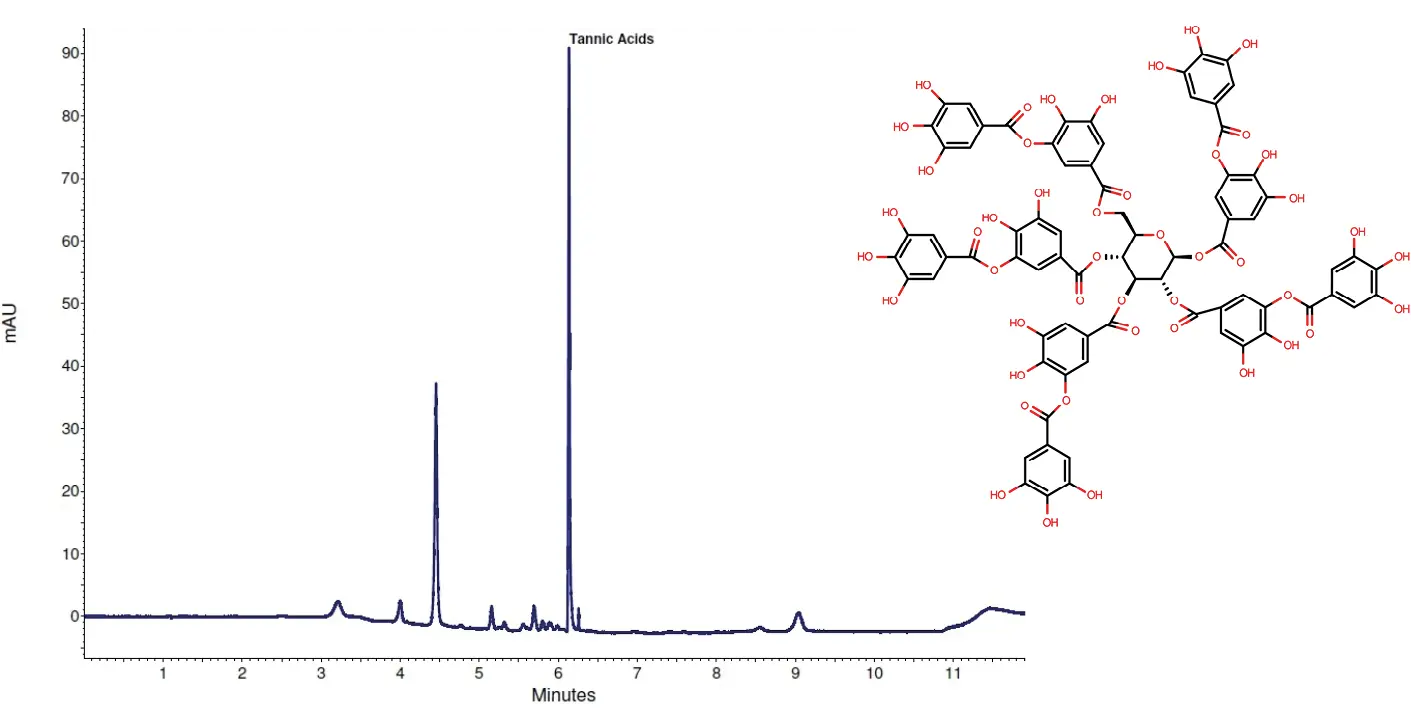
Fig. 1 Gallnut extract, dilution 1:1000, 1 µL injection
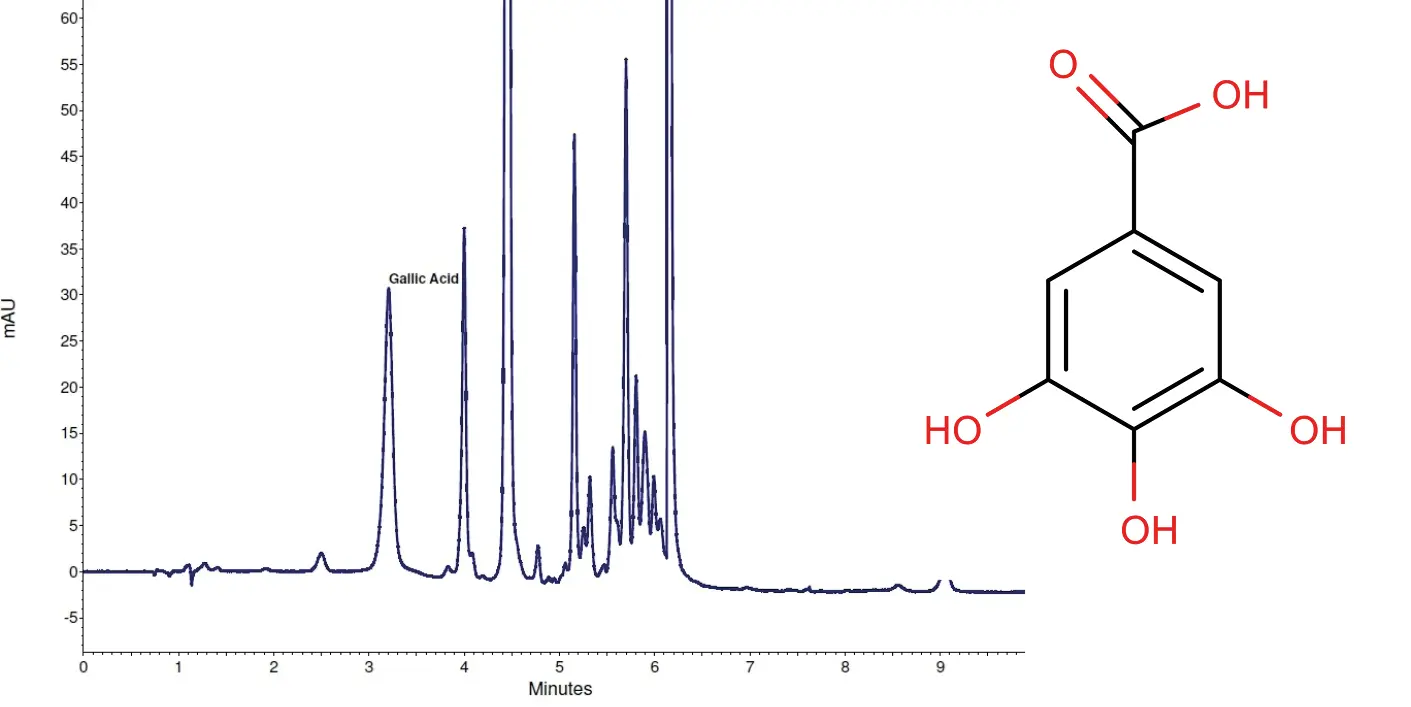
Fig. 2 Gallnut extract, dilution 1:1000, 10 µL injection
Materials and Methods
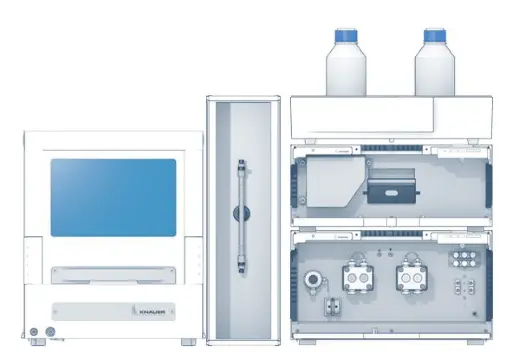
An AZURA Analytical HPLC Plus system for a pressure range up to 700 bar was used for this application. It consist of a P 6.1L HPG pump, an autosampler 3950, a CT 2.1 column thermostat and DAD 6.1L. The analytical method runs with a gradient mode at a flow rate of 1 mL/min. The mobile phase is a mixture of water and acetonitrile/water 50:50 (v/v). An amount of 0.1 % of formic acid is used as mobile phase modifier. The column thermostat was set to 30 °C and the detector recorded at 280 nm. The used column is filled with Eurospher II 100-3 C18H silica.
Conclusion
With this developed method and the AZURA® HPLC Plus system it is possible to perform a rapid quantitative analysis of gallic acid and tannic acid without time consuming sample preparation. Despite of the complex matrix like the gallnut extract, the quantification could be performed robustly and reproducibly with the specified method parameters. To exploit the full potency of gallic acid a preparative purification of the extract is possible. For the processing of the purified product it has to be solved in glycerol, water or a mixture of those solvents. Because of the presence of acidic modifier and methanol in the analytical method it cannot be adapted directly up to a preparative dimension. A possible preparative method should be applied immediately after the gallnut extraction and should be run with 100 % watery eluent. KNAUER´s developed analytical method still can be used for quality and purity control.
Additional Results
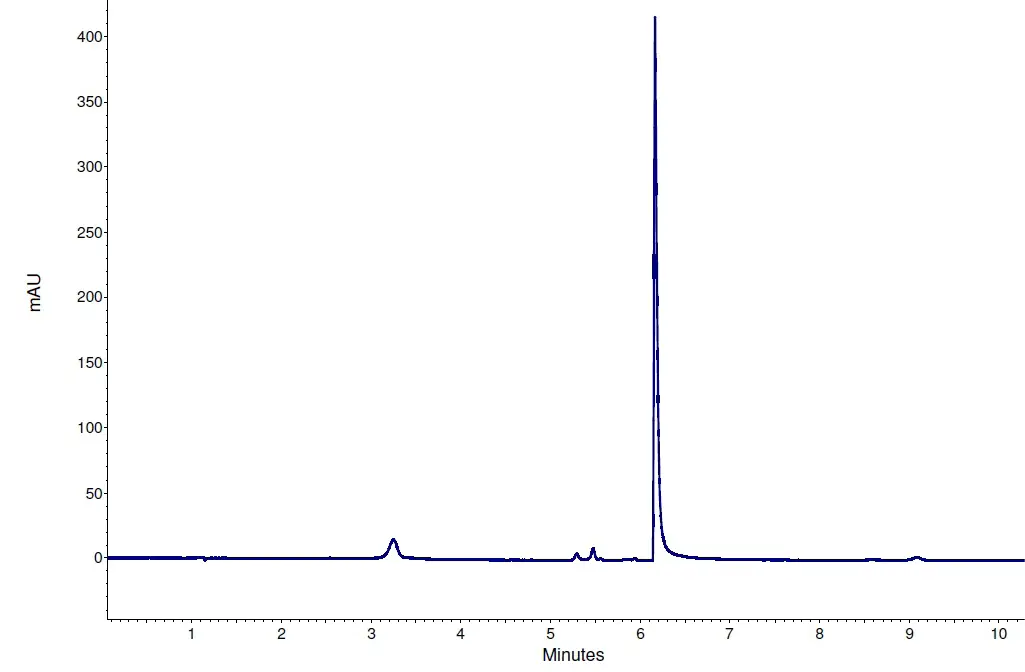
Fig. A1 Chromatogram Gallic acid, β=0.01 mg/mL
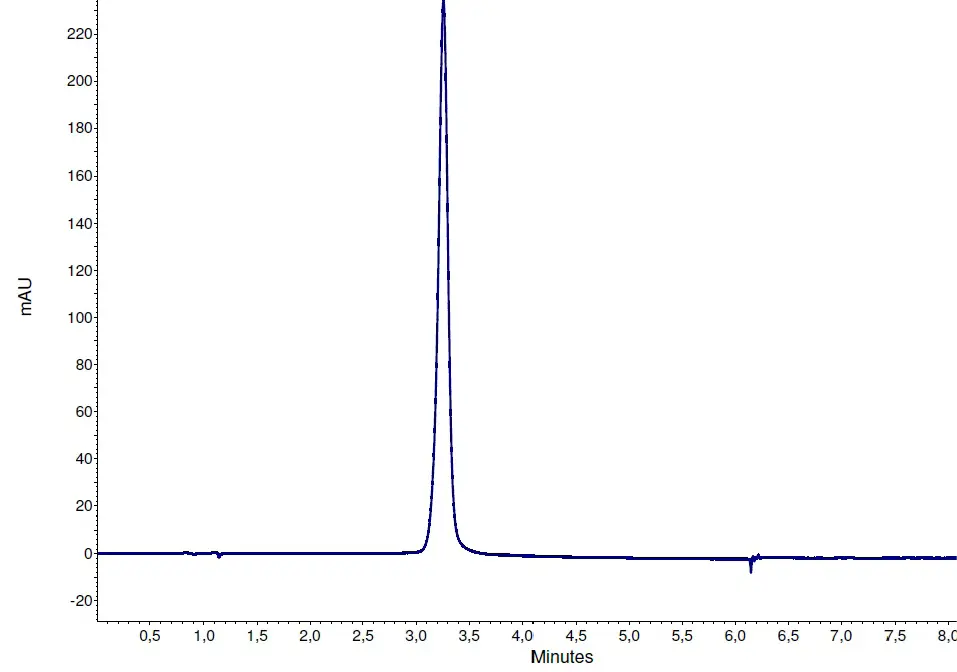
Fig. A2 Chromatogram Tannic acid, β=0.01 mg/mL
Additional Materials and Methods
Tab. A1 Method parameters
Tab. A2 System configuration & data
References
[1] Savitri Shrestha, Vasuki Srinivas Kaushik, Ravi Shankara Birur Eshwarappa, Sundara Rajan Subaramaihha, Latha Muuaiah Ramanna, and Dhananjaya Bhadrapura Lakkappa, Asian Pac J Trop Biomed. 4(1): 35–39, 2014 Jan.
[2] Kyoko Ueda, Ryoko Kawabata, Takashi Irie, Yoshiaki Nakai, Yukinobu Tohya, Takemasa Sakaguchi, PLoS ONE 8(1): e55343, 2013.
[3] Nur Saeida Baharuddin, Hasmah Abdullah, Wan Nor Amilah Wan Abdul Wahab, J Pharm Bioallied Sci. 7(1): 15–20, 2015 Jan-Mar.
[4] Umachigi SP, Jayaveera KN , Ashok Kumar CK, Kumar GS, Vrushabendra swamy BM, Kishore Kumar DV, Tropical Journal of Pharmaceutical Research: 7 (1): 913-919, March 2008.
[5] Upadhye AS, Pharm Anal Acta. , 2010.
[6] Jung MK, Hur DY, Song SB, Park Y, Kim TS, Bang SI, Kim S, Song HK, Park H, Cho DH, J Invest Dermatol. 130(5):1459-63., 2010 May.
Application details