
Science with Passion

Application No.: VCH0015
Version 1 02/2018
Quantitative determination of primary aromatic amines in recycled cold-cure and flexible foams
Juliane Böttcher, Kate Monks; applications@knauer.net
KNAUER Wissenschaftliche Geräte GmbH, Hegauer Weg 38, 14163 Berlin
Summary
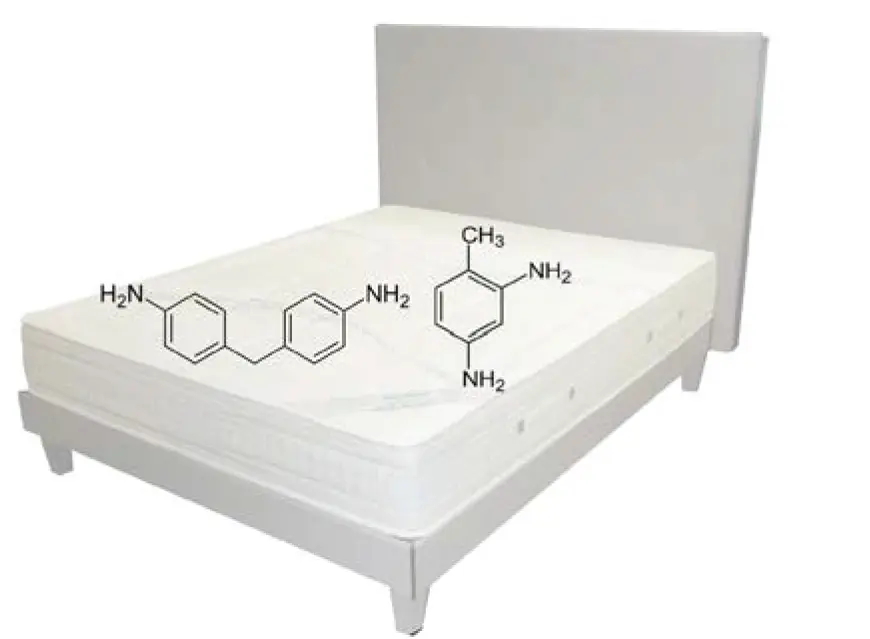
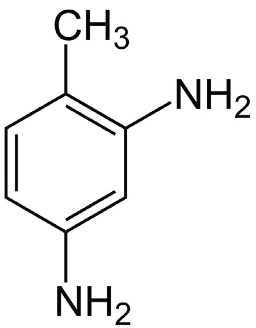
A reliable method for the quantification of aryl amines in cold-cure and flexible foams from recycled mattresses is described in the following application. The focus was set on two substances, 2,4-diaminotoluene (TDA) and 4,4-diaminodiphenylmethane (DAPM), which are mandatory to be determined before processing the recycled foam due to their carcinogenic properties.
Introduction
Cold-cure and flexible foams used for the production of mattresses are made of polyurethane synthetics. During the synthesis of urethanes, which are the basis for polyurethanes, different intermediate products are formed. Two of these products occurring in the process are DAPM and TDA. Both substances are classified as carcinogenic. Furthermore TDA is presumed to be teratogenic and mutagenic. When recycling the cold-cured and flexible foams it i s necessary to determine the concentration of these compounds before reusing the foams. Referring to OEKO-TEX® Standard 100 a limit value of 20 mg/kg for aryl amines is appointed [1].

2,4-Diaminotoluene
4,4-Diaminodiphenylmethane
Results
For the quantification a calibration was made. Therefore a mixed standard of DAPM and TDA at five different concentrations was used. For both components a correlation coefficient of R2 = 0.999 was achieved. Exemplary one sample of flexible foam was selected and spiked with standard to a concentration of 0.1 mg/mL. Fig 1 shows the sample measurement and Fig 2 shows an overlay of the sample (red) and spiked sample (blue) of flexible foam. The limit of detection (LOD) was determined with 0.63 µg/mL for TDA and 0.67 µg/mL for DAPM.
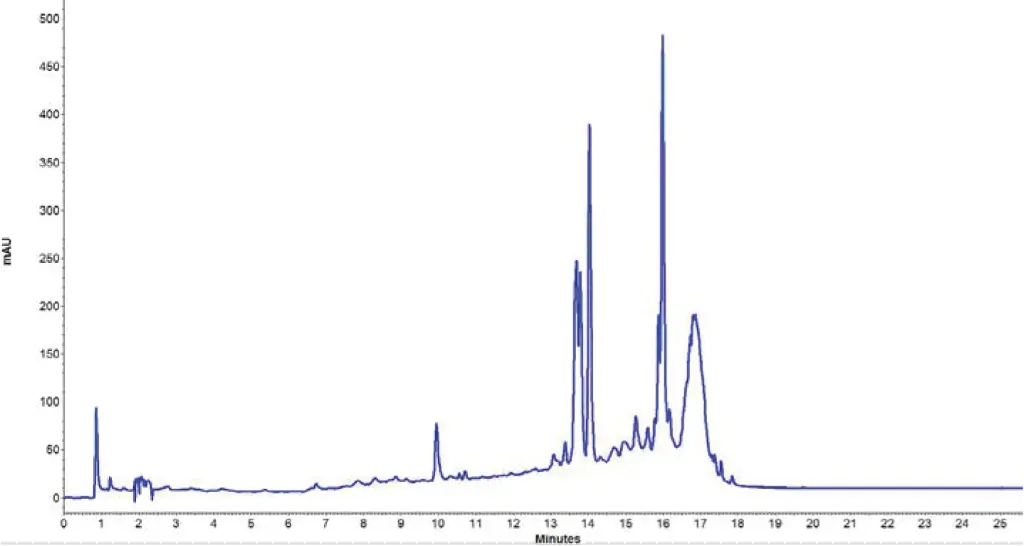
Fig. 1 Sample of flexible foam (18 mg/mL)
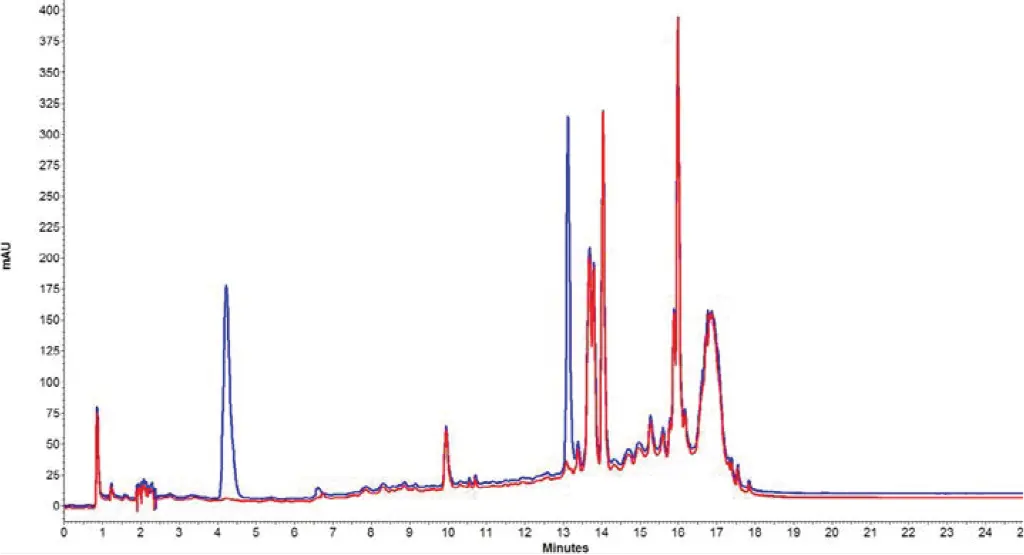
Fig. 2 Overlay of sample (red) and spiked sample (blue) of flexible foam
Materials and Methods
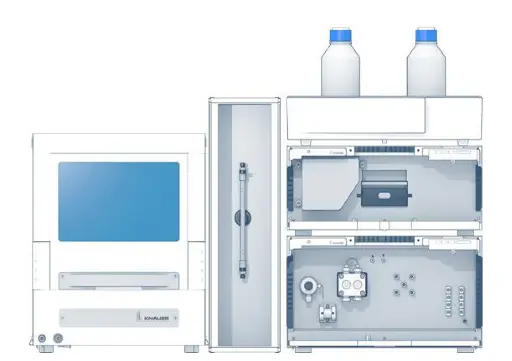
An AZURA® Analytical HPLC Plus system for a pressure range up to 700 bar was used for this application. It consisted of an AZURA P 6.1L LPG pump, an autosampler 3950, an AZURA CT 2.1 column thermostat and an AZURA MWD 2.1L multiwavelength detector. The analytical method was run with a step gradient at a flow rate of 1.0 mL/min. The mobile phase was a mixture of water and acetonitrile, both with 0.1 % triethylamine as mobile phase modifier. The column thermostat was set to 25 °C and the detector recorded at 290 nm. The column that was used was filled with ProntoSIL 120-3 C8 ace EPS silica.
Conclusion
With the developed method and the AZURA HPLC Plus system it was possible to perform a rapid quantitative analysis of 2,4-diaminotoluene and 4,4-diaminodiphenylmethane without time consuming sample preparation. Even a complex matrix such as the recycled cold-cured and flexible foams can be determined robust and reproducible with the specified method parameters.
Additional Results
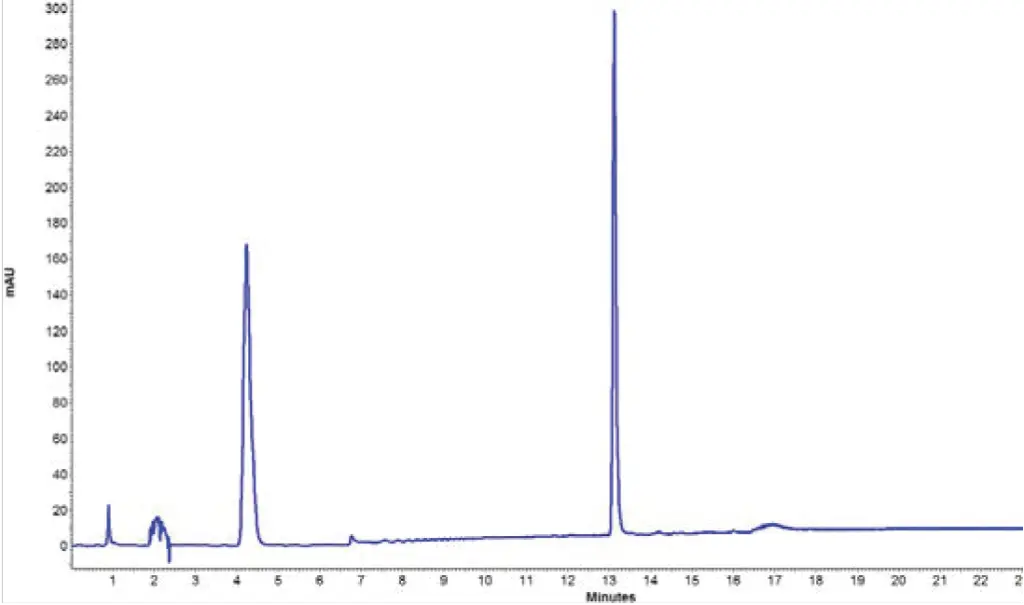
Fig. A1 Mixed standard of TDA and DAPM (both 0.1mg/mL)
Additional Materials and Methods
Tab. A1 Method parameters
Tab. A2 System configuration & data
References
[1] https://www.oeko-tex.com/de
Related KNAUER Applications
VCH0016 – Determination and quantification of acrylic acid derivatives
Application details