
Science with Passion

Application No.: VEV0078
Version 1 09/2017
Systematic HPLC method development and robustness evaluation of 13 carbonyl DNPH derivatives using DryLab®
Lilit Avagyan, Kate Monks; applications@knauer.net
KNAUER Wissenschaftliche Geräte GmbH, Hegauer Weg 38, 14163 Berlin
Summary
In the monitoring of industrial air, the determination of carbonyl (aldehyde and ketone) emissions is crucial to prevent respiratory, pulmonological, autoimmune diseases, and cancer. According to the analytical method described in the DIN ISO 16000-3 [1], the carbonyls must be converted to their corresponding hydrazones with 2,4-dinitrophenylhydrazin (DNPH) in order to be detected via UV detector and analyzed by reversed phase HPLC. Here, the DryLab® software was used for method optimization to separate of 13 carbonyl derivatives in a standard mixture with the AZURA® HPLC system and the DNPH-column.
Introduction
The main objective of method optimization in HPLC is to define the appropriate conditions for robust, precise, and reproducible analysis. In order to save resources, a computer assisted method development can be a valuable tool. For the characterization of carbonyl content in air samples, commonly a standard mixture of 13 aldehyde and ketone DNPH derivatives is used. For precise analysis a good separation of all 13 components has to be achieved. Here, the chromatography modelling software DryLab® with 3D Cube option was used for the optimization of the analysis of the cabonyl standard mixture. The investigation of the combined influence of gradient time, temperature and ternary eluent composition on critical resolution enabled the development of robust method conditions. Furthermore, the robustness space was investigated in silico and verified experimentally with a high degree of agreement.
Results
The separation of 13 carbonyls was analyzed according to the method described in DIN ISO 16000-3 [1]. The obtained chromatogram from this experiment resulted 11 peaks (Fig. 1). The peaks representing acetone-DNPH, Acroleine-DNPH, 2-Butanone-DNPH, Methacroleine-DNPH, and butyraldehyde-DNPH were not separated. In order to optimize method parameters in silico, DryLab requires measurements under 12 conditions (Fig. 2). The measurements were conducted as described below. The obtained chromatograms were fed into the DryLab software resulting in the Method Operation Design Region (MODR). The red regions in the cube represent the optimal chromatographic conditions (Fig. 3). The selection of the best parameters from the predicted data pull are based on high resolution values. The optimal separation method was established with the solvent composition water and acetonitrile, with a column temperature at 22 °C and a gradient time of 14 min. As the results show (Fig. 4) the baseline separation of acetone-DNPH and acroleine-DNPH was reached with the resolution value of 2.69 (see suppl. results Tab. A1). The lowest resolutions were obtained between peak pairs 2-Butanone-DNPH, Methacroleine-DNPH (1.27) and Methacroleine-DNPH, n-Butylaldehyde (1.29).
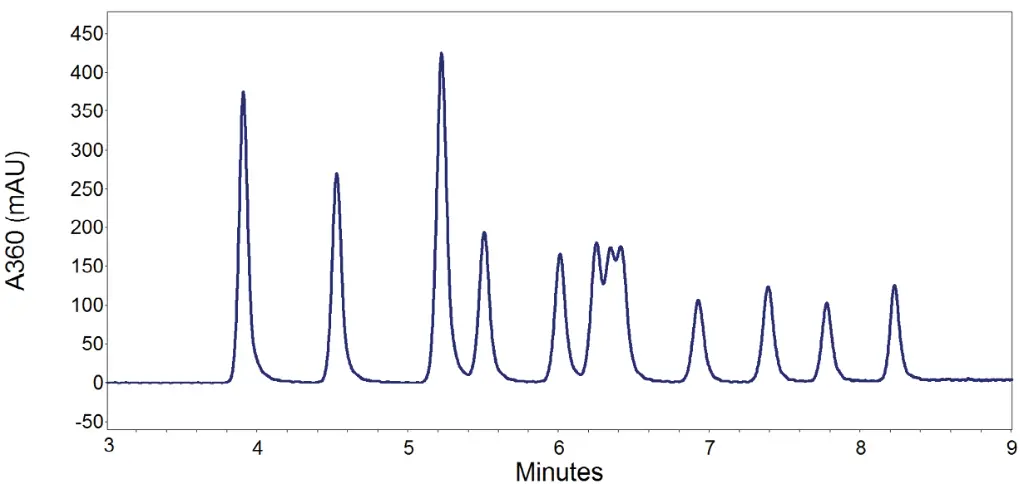
Fig. 1 Chromatogram of 13 carbonyls, measured according to ISO DIN 16000-3 method with the DNPH column with the DNPH column
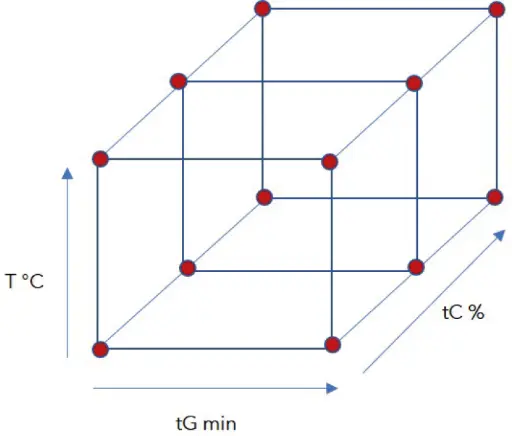
Fig. 2 DryLab® 3D Cube with 12 red pointed measurement conditions
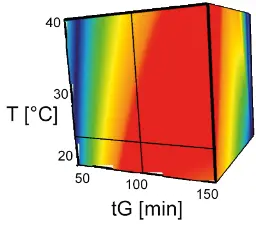
Fig. 3 MODR Method Operation Design Region
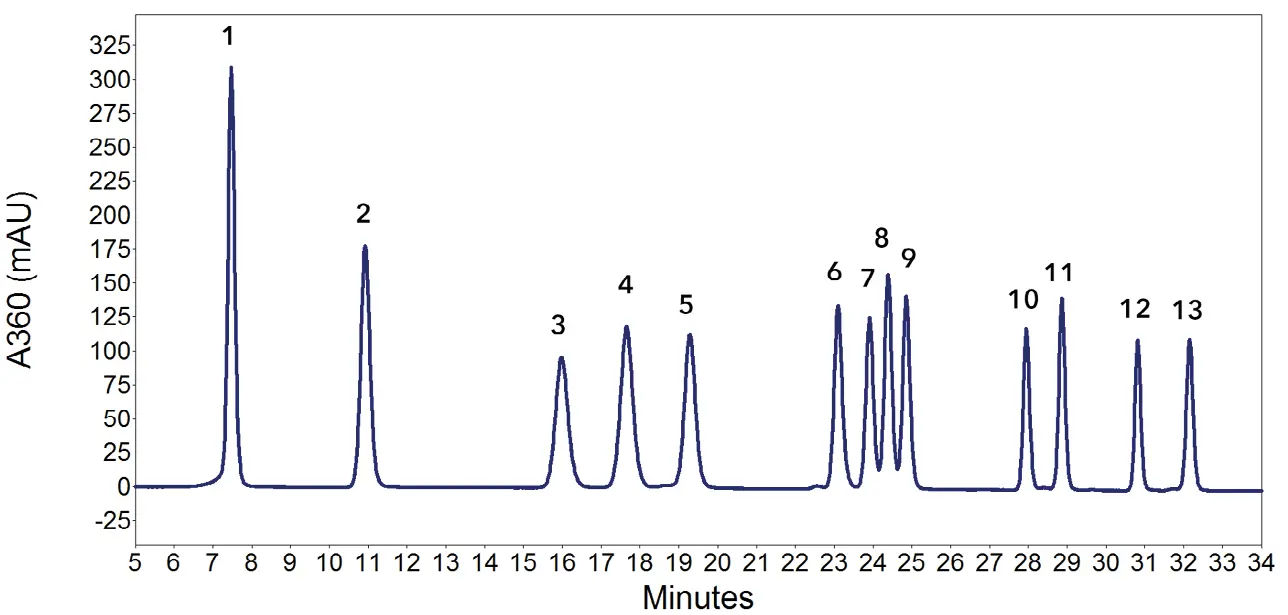
Fig. 4 Chromatogram of 13 carbonyls, measured according to DryLab® perdicted method with the DNPH column
Materials and Methods
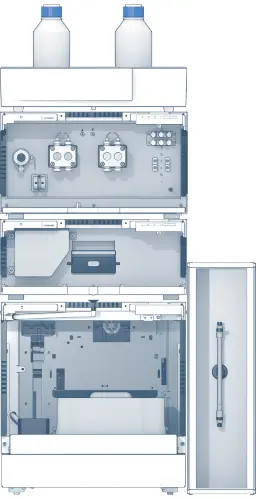
The HPLC system includes the pump AZURA® P 6.1L HPG, detector AZURA® DAD 6.1L, autosampler AZURA® AS 6.1L, column thermostat AZURA® CT 2.1. The method separation, described in DIN ISO 16000-3 [1] and following method optimization was performed on DNPH-column (150 x 3 mm). The standard with 13 aldehyde and ketone derivatives, dissolved in acetonitrile was obtained from SigmaAldrich and was diluted to a concentration of 1 µg/mL in acetonitrile. For method optimization, the DryLab® (Version 4) modeling software (Molnár-Institute, Berlin) was used. The optimal separation conditions were predicted based on 12 chromatograms. The measurements were performed by three different mobile phase compositions (100 % MeOH, 50:50 MeOH:Acetonitrile, 100 % Acetonitrile). Each composition was used for measurements at two different temperatures and gradient times, namely 20 and 40 °C, and 30 and 90 min respectively. The analysis of chromatograms was performed by the using of OpenLab chromatographic software. For the method optimization the column parameters, initial gradient conditions and dwell volume of the system were programmed in the DryLab® software. The chromatographic data files were converted in to AIA (*.CDF) format and loaded in the DryLab® for the calculation.
Conclusion
The DryLab® software is an important part in the HPLC method optimization. Our results show, that it makes possible to define optimal separation conditions without performing of numerus unnecessary measurements. This software helps to save the time, to reduce the consumption of materials and perform ecological ‘green‘ HPLC.
Additional Results
Tab. A1 Content of the standard solution under optimized chromatographic conditions (Fig 4)
Additional Materials and Methods
Tab. A2 Method parameters
Tab. A3 System configuration
References
[1] DIN ISO 16000-3; Indoor air – Part 3: Determination of formaldehyde and other carbonyl compounds in indoor air and test chamber air – Active sampling method (ISO 16000-3:2011)
Application details