Taming Tricky Liquids: A Deep Dive into Advanced Pipetting
If you’ve ever struggled with pipetting thick gels, foamy detergents, or fast-evaporating solvents, you know that not all liquids behave the same. Pipetting might seem straightforward, but getting the accuracy right is tricky when your sample isn’t water. Thick or volatile liquids can challenge even experienced lab technicians.
The good news? If you’ve got the right knowledge and tools, you can regain control and achieve precise, reliable results in every pipetting task.
Air and Adhesion: The Hidden Enemies of Accurate Pipetting
Most laboratory pipettes rely on an air-displacement system. They're designed to deliver accurate volumes of aqueous liquids, making them perfect for most pipetting applications. Inside each pipette, there’s a small air cushion that separates the piston from the liquid. When you press and release the plunger, that cushion expands and contracts to draw up and dispense a measured volume.
It works beautifully for water-based samples, but not all liquids play by the same rules. Pipetting results can be affected when working with liquids of different temperatures or with a different viscosity, volatility, or density than water. The problem is that the air pressure is variable. Another thing to watch out for is that liquids can stick to the tips.
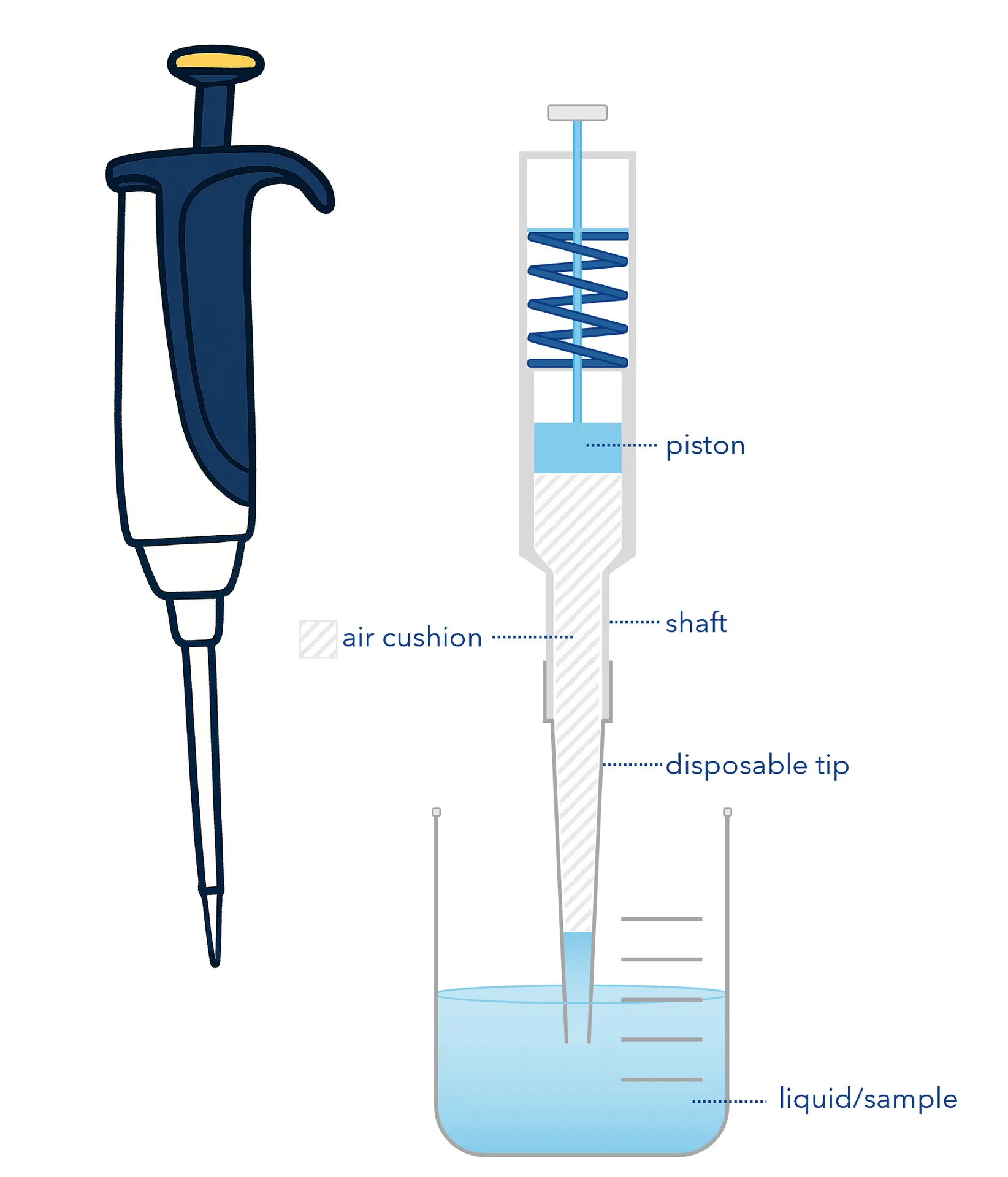
Figure 1: Air-displacement system. An air cushion separates the liquid from the piston. (Graphic by KNAUER)
The Perfect Solution is Positive Displacement Pipettes
Positive displacement pipettes are usually the optimal choice for non-aqueous conditions and challenging liquids like high-viscosity, volatile, or infectious samples. Positive-displacement systems replace the air gap with a disposable piston inside a capillary tip that directly contacts the liquid.
And here’s the deal: Since there’s no air cushion to compress or expand, the physical properties of samples, like their density and vapor pressure, don’t affect accuracy anymore. Also, the piston-capillary gets rid of any problems that might happen when sticky liquids adhere to the walls of the tip.
So, a positive displacement pipette is most accurate and precise for transferring challenging liquids that aren't like water at all.
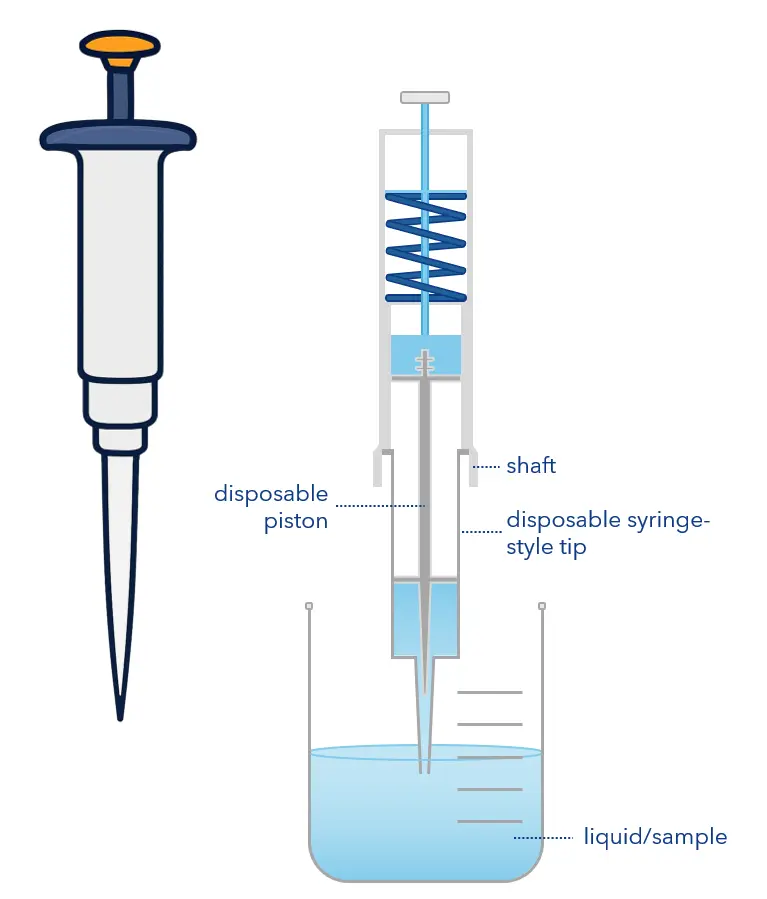
Figure 2: Positive-displacement system. The liquid is in direct contact with the piston. No air cushion is involved. (Graphic by KNAUER)
The Workaround
What if a positive displacement pipette isn’t an option, since you might not have one in your lab? If you're working with challenging liquids and you don't want to change equipment, here are some easy ways to get better pipetting accuracy with your beloved air displacement pipette.
You can switch to reverse pipetting and adjust the pipetting speed to suit the liquid. It's also a good idea to recalibrate with the used liquid, since the factory calibrates air-displacement pipettes in a controlled environment with water.
Next, we will explain in detail how different types of liquids can mess with your pipetting and how to fix it when you’re using air displacement pipettes.
Reverse Pipetting – The Best Kept Secret for Challenging Liquids 😉
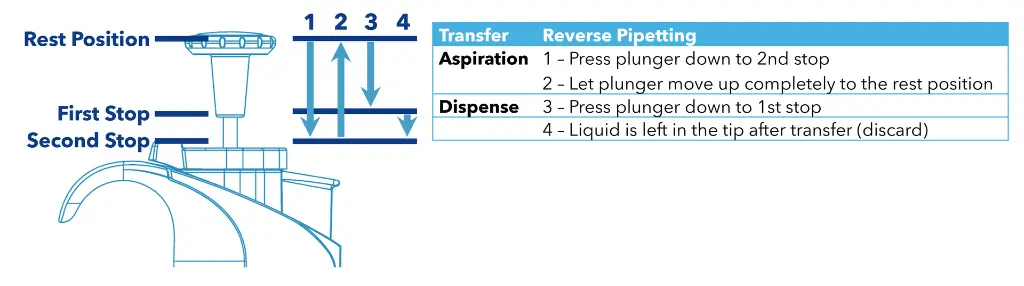
When you’re dealing with challenging liquids (e.g. viscous, volatile, foaming) using air displacement pipettes, reverse pipetting is a great way to achieve higher accuracy than you’d get with regular, forward pipetting.
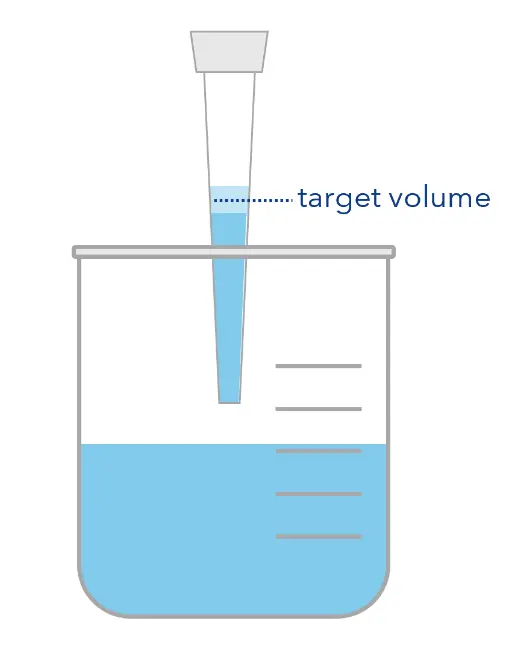
Here’s how it works: you aspirate a bit more liquid than needed, but only dispense the target volume, leaving a small reserve in the tip. That leftover volume prevents air bubbles and dripping or compensates for retained liquid that’s stuck to the inside of the tip. Reverse pipetting might take a little practice, but it can dramatically boost reproducibility.
High/Low Density Liquids
🧪 Example: Chloroform, Ethanol, Sulfuric Acid, Phosphoric Acid
🔥 Problem: A liquid’s density affects the size of the air cushion inside the pipette and this, in turn, affects the volume of liquid. Higher-density liquids exert more gravitational force on the air space between the liquid and the piston. This increased air space means that a smaller volume of liquid ends up in the tip than expected.
💡 Fix: Adjust the pipette to the used liquid by recalibration.
Viscous Liquids
🧪 Example: Glycerol, DMSO, Tween® 20, Oil
🔥 Problem: Thick liquids move slowly, so if you pipette them too fast during aspiration, they can trap air bubbles. They also tend to stick to the surface of the tip, and some of the pipetted liquid might stay inside the pipette tip, which can result in inaccurate dispenses and reduced liquid volume, making precise work difficult.
💡 Fix: Use reverse pipetting. Pipette slowly and extend the waiting time after aspiration and dispensing. Recalibrate the pipette with the used viscous liquid.
🤝 Tip: Low-retention and wide orifice tips help minimize adhesion within the tip and make it easier for the liquid to enter the tip.
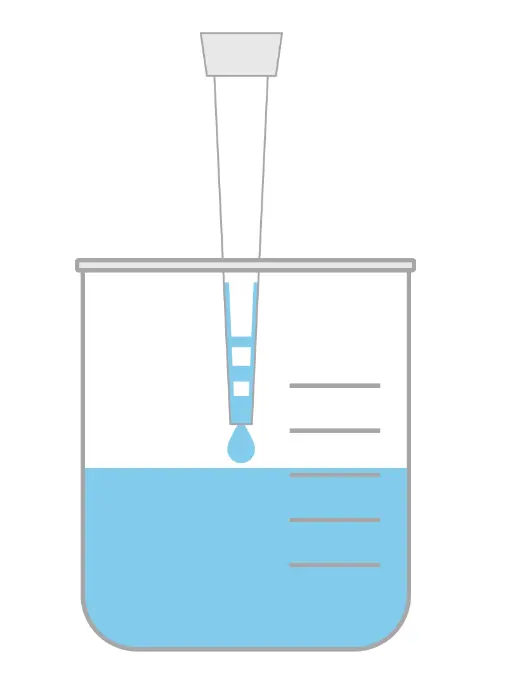
Volatile Liquids
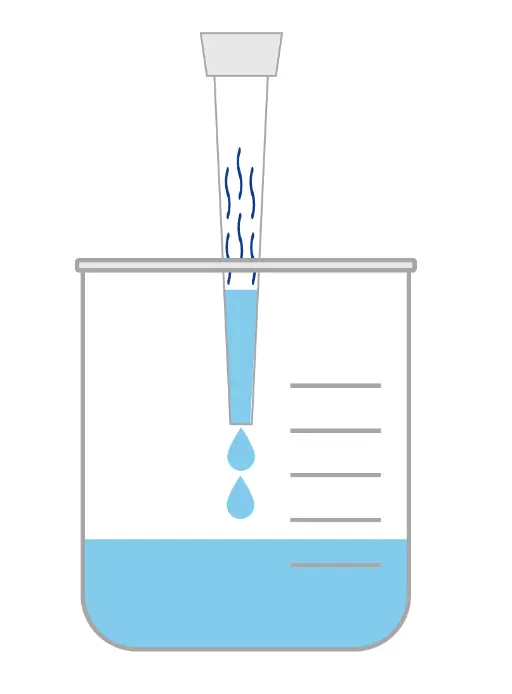
🧪 Example: Acetone, Acetonitrile, Ethanol
🔥 Problem: Volatile liquid will evaporate into the air cushion of the pipette and tip, building pressure and expanding the air cushion. This eventually pushes some of the liquid back through the tip orifice, leading to droplet formation at the end of the tip – it drips and valuable sample leaks.
💡 Fix: Pre-wet the tip at least five times to get vapor and air cushion in the pipette equilibrated. Use reverse pipetting at a faster speed to minimize evaporation effects. Do not pause unnecessarily between aspiration and dispensing.
Foaming Liquids
🧪 Example: Tween® 20, BSA solution
🔥 Problem: Foaming makes accurate pipetting tricky because air bubbles are aspirated, which means less liquid gets transferred.
💡 Fix: Use reverse pipetting and pipette slowly to avoid pipetting air. Reverse pipetting also reduces the risk of dispensing air into the sample during blow out, which can lead to more foaming.
🤝 Tip: Use wide-bore and filter tips. Wide-bore tips let the liquid get in more easily, reducing foaming. Filter tips can protect the pipette from coming into contact with foam.
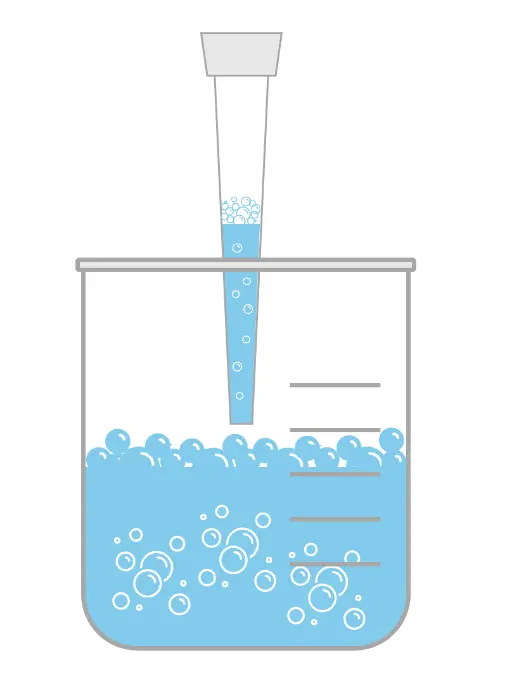
Low Surface Tension Liquids
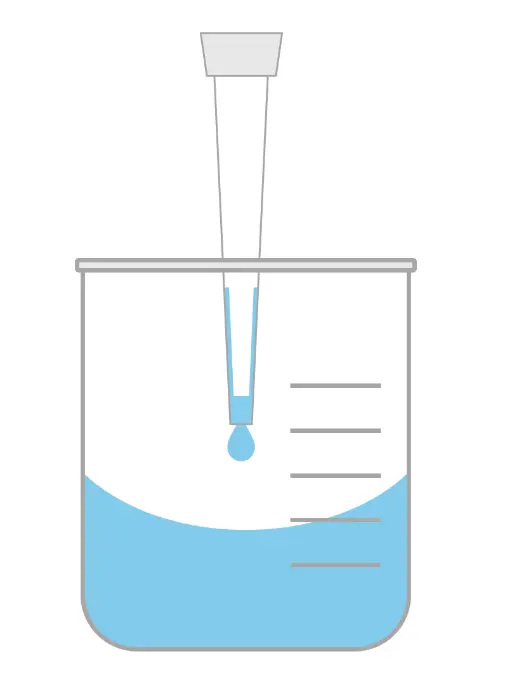
🧪 Example: Detergents e.g. Tween® 20
🔥 Problem: Liquids with low surface tension tend to stick to standard plastic surfaces like pipette tips, which makes it hard to get the fluid out completely.
💡 Fix: Use slow, reverse pipetting, and high-quality, low-retention tips to minimize adhesion.
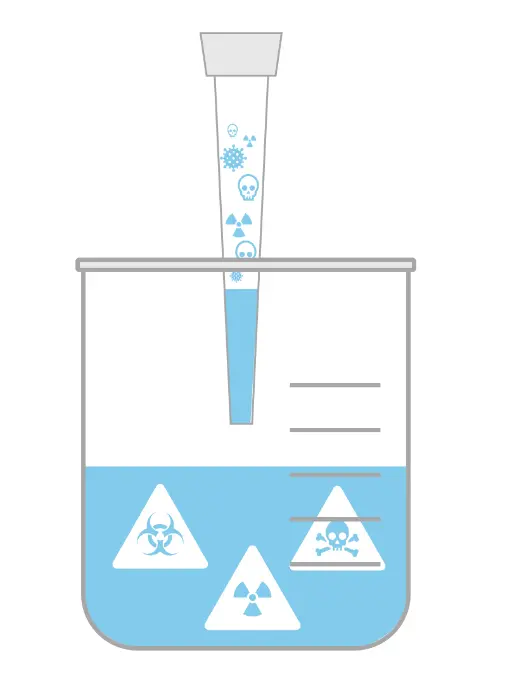
Infectious, Corrosive, Toxic, Radioactive Liquids
🧪 Example: Blood, DNA/RNA in PCR reactions
🔥 Problem: Aerosols formed can contaminate the pipette cone, leading to possible cross-contamination of samples.
💡 Fix: Use regular, forward pipetting and filter tips to prevent the liquid from coming in direct contact with the pipette. Disinfect the pipette regularly by wiping with 70% ethanol, or autoclave it.
Liquids with High Temperature Differences
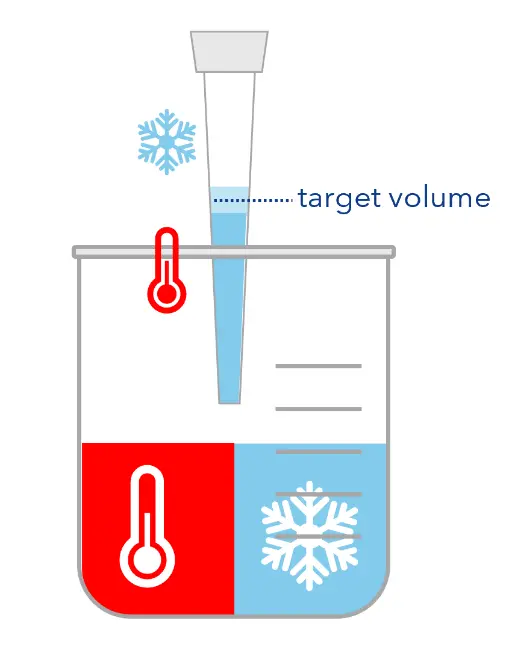
🧪 Example: Reagents and buffers at 37°C, Nucleic acid-based reagents at 4°C or lower
🔥 Problem: Temperature differences can change the air cushion, leading to inaccurate pipetting results. When you put a tip into a warm liquid, the air cushion in the tip/pipette is at ambient temperature. During aspiration, the tip heats up, which makes the air cushion expand and pushes the liquid out of the tip. This means you'll get less liquid delivered than expected. With cold liquids, it's the opposite, and you end up transferring larger volumes than expected.
💡 Fix: If possible, equalize the temperature between samples and pipettes. Not possible? Change the tip after each pipetting step and don’t pre-rinse the tip.
The Takeaway
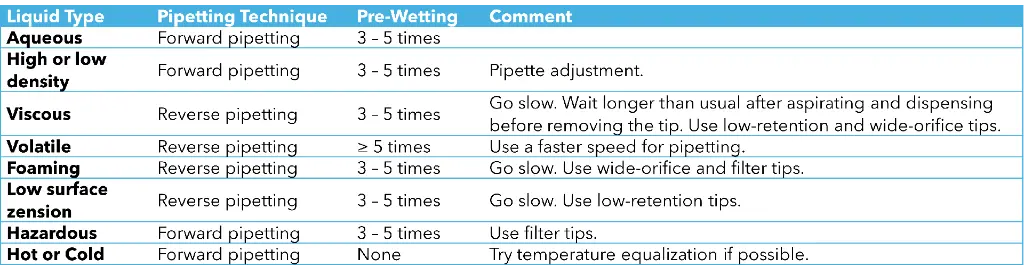
Table 1: Recommended pipetting techniques and best practices for various liquids. (Graphic by KNAUER)
Dealing with challenging liquids? Don’t worry, you don't have to have a difficult time in the lab. Whether you’re pipetting viscous gels, volatile solvents, or delicate biological reagents, getting it right depends on understanding how different liquid properties interact with your pipette’s mechanics.
By adapting your tool and technique to the sample – using reverse pipetting, adjusting pipetting speed, pre-wetting, selecting the right tips, or switching to a positive-displacement pipette – you can handle even the most challenging liquids with confidence and get precise, repeatable results every time.
Mastering pipetting isn’t just about your hands – it’s about your understanding of the science behind every drop.
Stay curious for the next blog in the "Pipetting Made Easy" series.
For further information on this topic, please contact our author: huhmann@knauer.net
Resources
BRAND GmbH & Co KG, Poster, The challenges of pipetting, https://www.brand.de/brand/contentserv_data/Context/BRAND%20GMBH%20%2B%20CO%20KG/Dokumente/Produkte/Banner%20und%20Plakate/Handout_Pipetting_challenging_conditions_EN.pdf (last accessed: 2025-10-29, 9:11)
Mettler-Toledo LLC, Poster, Pipetting Challenging Liquids, https://www.mt.com/de/en/home/library/know-how/rainin-pipettes/pipette-challenging-liquids.html (last accessed: 2025-10-29, 9:26)
Corning Inc., Poster, Guide to Pipetting Challenging Liquids, https://www.corning.com/catalog/cls/documents/protocols/CLS-EQ-134-A4.pdf (last accessed: 2025-10-29, 9:23)
INTEGRA Biosciences Corp., Product News, How to pipette viscous and volatile liquids, https://www.integra-biosciences.com/global/en/stories/how-pipette-viscous-and-volatile-liquids (last accessed: 2025-10-29, 9:09)
Sartorius AG, S. Söderholm, P. Artimo, Application Guide, Techniques for Pipetting Challenging Liquids, https://www.sartorius.com/resource/blob/1085646/d4bf11ef41cbbc9c7ebdcc88ecea4846/how-to-pipette-challenging-liquids-application-guide-en-l-sa-1--data.pdf (last accessed: 2025-10-29, 9:15)
Eppendorf SE, Poster, Master Your Challenging Liquids, https://www.eppendorf.com/product-media/doc/en/336668/Liquid-Handling_Poster_Pipette_Multipette_Master-Your-Challenging-Liquids.pdf (last accessed: 2025-10-29, 10:06)